Traditions
Jewish wedding in Morocco: timeline, chuppah, henna and Shabbat Hatan

Madame Motta
Founder & wedding planner
Updated on
3 min read
In brief
A Jewish wedding in Morocco often spans several days: henna night, Shabbat Hatan, then the wedding day with the badeken, the chuppah (ketubah, blessings, broken glass), the yichud and the reception. Customs vary by family and community: the programme is set with your rabbi.
Overview: a wedding over several days
In Morocco, a Jewish wedding is rarely a single evening. Here are the moments you will most often find. Customs vary by family and community: this table is a guide, not a rule.
| Moment | What is it? | When? |
|---|---|---|
| Henna night | Family celebration around the bride: henna, music, sweets | In the days before the wedding |
| Shabbat Hatan | Festive Shabbat in honour of the groom, with family and friends | The Shabbat before the wedding |
| Badeken | The groom veils the bride before the ceremony | Just before the chuppah |
| Chuppah | Ceremony under the wedding canopy: ketubah, blessings, ring, broken glass | Wedding day |
| Yichud | A short moment of privacy for the couple after the ceremony | After the chuppah |
| Reception and sheva berakhot | Festive meal; the seven blessings are repeated at festive meals during the following week | Wedding day and the days after |
The chuppah: the heart of the ceremony
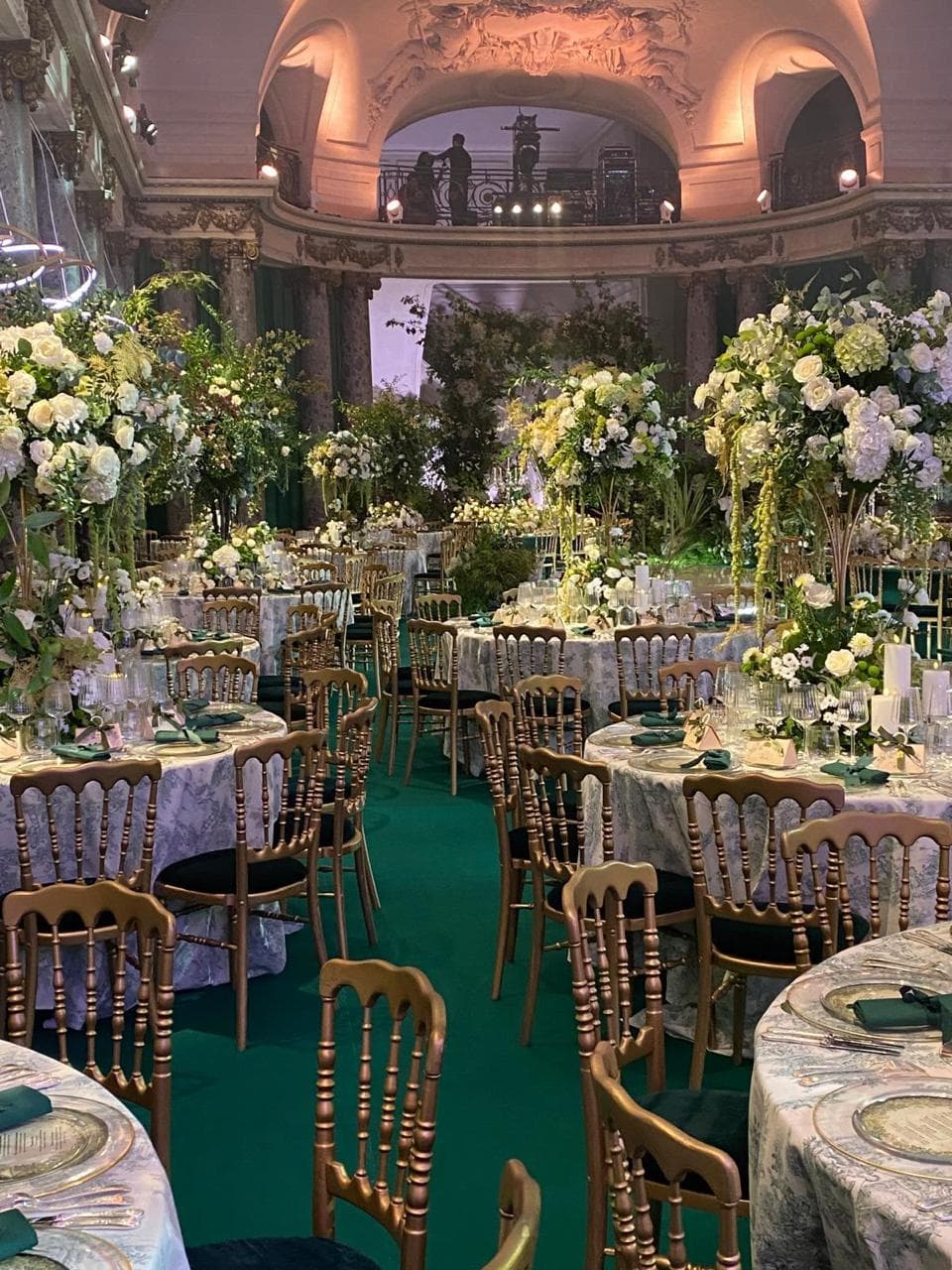
The chuppah is the canopy under which the couple stands during the ceremony. It symbolises the home they are about to build. It can be set up indoors or outdoors, in a garden, a riad or an estate, and its decoration (flowers, fabrics, lighting) is part of the wedding’s scenography.
- The ketubah: the Jewish marriage contract, setting out the groom’s commitments to his wife. It is signed before the ceremony and, according to custom, read under the chuppah.
- The blessings: over the wine, then the seven blessings (sheva berakhot), recited by the rabbi or honoured relatives.
- The ring: given by the groom to the bride.
- The broken glass: at the end of the ceremony the groom breaks a glass, in memory of the destruction of the Temple in Jerusalem. Guests answer “Mazal tov”.
Henna and Shabbat Hatan: the celebrations around the wedding
In Moroccan Jewish tradition, the henna night is a great moment of joy, with the bride, her family, music and sweets. We have a dedicated guide to the Moroccan Jewish henna night.
Shabbat Hatan brings family and friends together on the Shabbat before the wedding, with festive meals and, in some communities, the groom being called up to the Torah. It means housing and feeding your guests in keeping with Shabbat: an important organisational point.
What to plan ahead
- The calendar: weddings do not take place on Shabbat, and some periods are avoided depending on the community. Confirm the date with your rabbi before holding a venue.
- The rabbi: contact them early to set the course of the chuppah and your family’s customs.
- The kosher caterer and supervision: see our guide to planning a luxury kosher wedding.
- The venue: not every venue accepts an outside kosher caterer; discover our exceptional venues and check this before booking.
- Your guests: several days of celebrations mean accommodation, transport and meals for everyone.
How we support you
Madame Motta Wedding & Events plans Jewish weddings in Morocco: ceremony, henna night, Shabbat Hatan, kosher caterer and reception, in coordination with your rabbi. Let’s talk about your project via the contact page.
Frequently asked questions
How long does a Jewish wedding last?
The ceremony under the chuppah is relatively short; it is the celebrations around it (henna night, Shabbat Hatan, reception) that often span several days.
What is a ketubah?
It is the Jewish marriage contract. It sets out the groom’s commitments to his wife, is signed before the ceremony and, according to custom, read under the chuppah.
What is Shabbat Hatan?
It is the Shabbat before the wedding, celebrated in honour of the groom, with festive meals among family and friends.
What are the sheva berakhot?
They are the seven blessings recited under the chuppah, then repeated at festive meals during the week after the wedding.
Can the programme be adapted to my family’s customs?
Yes. Practices vary from one family and community to another. We build the programme with you and your rabbi.